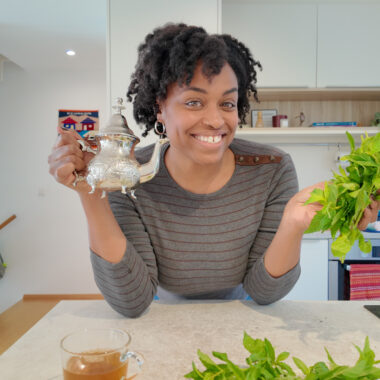

I recently realized that my love for food and cooking really began when I moved to Morocco. Before then, I enjoyed food, of course, but living abroad opened up a whole new world of flavors, ingredients, and traditions that still influence how I cook today. Since then, I’ve lived in several different countries, traveled around the world, and developed an even deeper appreciation for the role food plays in bringing people together.
Today, I’m bringing a little bit of that experience into my kitchen here in Germany by making Moroccan khobz, a traditional Moroccan bread that is simple, satisfying, and perfect for sharing.
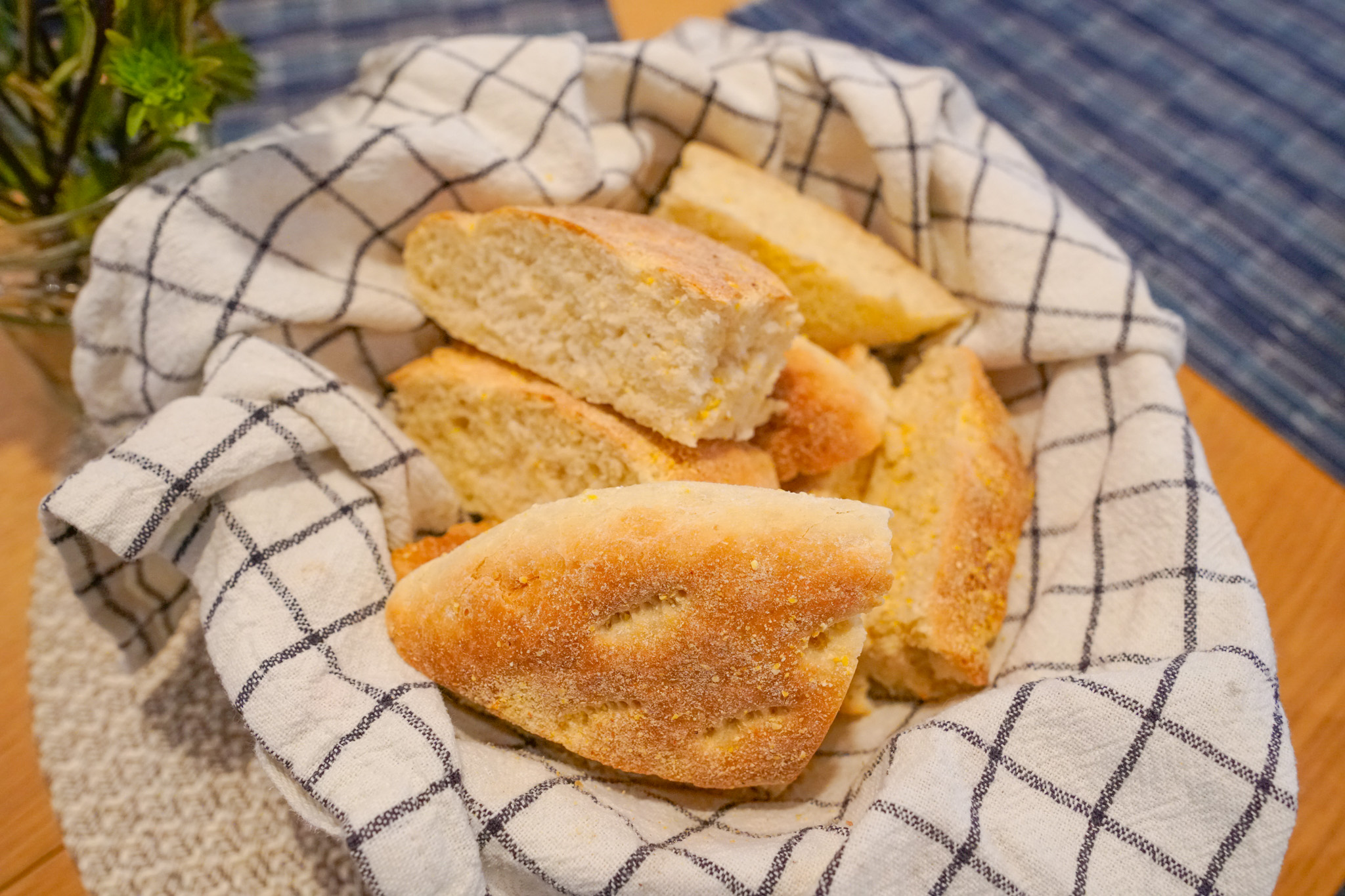
Khobz is a staple of Moroccan meals, often served alongside soups, stews, tagines, and other dishes. While there are different ways to prepare it, I love making a homemade version with simple pantry ingredients. My take is a straightforward, yeast-based bread with a lightly crisp exterior, a soft interior, and a lovely texture from the cornmeal (or semolina, if you have it) used to coat the dough.
It’s the kind of bread that takes a little patience but doesn’t require complicated techniques or special equipment. And, honestly, there’s something incredibly therapeutic about kneading dough by hand and watching it transform into something delicious.
Why You’ll Love This Moroccan Bread
Simple pantry ingredients: Flour, yeast, salt, water, and a little oil are all you need.
Beginner-friendly: If you’ve never made homemade bread before, this is a lovely recipe to practice with.
Perfect for sharing: Serve it alongside your favorite soups, stews, or family dinners.
A little taste of Morocco: Making khobz at home is a wonderful way to explore Moroccan food traditions and bring a little nostalgia into your kitchen.
A Little Moroccan Nostalgia in My German Kitchen
One of the things I appreciate most about cooking is how easily it can connect us to a memory, a place, or a particular season of life.
Morocco was one of the first countries where I truly began to explore food beyond what I was familiar with. Living there introduced me to new ingredients, different ways of preparing meals, and the importance of gathering around food. Those experiences have stayed with me, even as our family has moved from one country to another.
Now, living in Germany, I revisit some of those memories through the meals I make at home. On this particular day, the weather was rainy and a little dreary, making it the perfect excuse to bake a fresh loaf of bread for dinner.
I didn’t have all the traditional ingredients I’d prefer, so I worked with what I had. I used a combination of bread flour and all-purpose flour, along with cornmeal in place of semolina. It’s a good reminder that cooking doesn’t always have to be an exact science. Sometimes, you can make a few practical substitutions and still create something delicious.
And that’s exactly what I love about making bread. It encourages you to slow down, get hands-on, and enjoy the process.
What Is Moroccan Khobz?
Khobz is a traditional Moroccan bread commonly served with everyday meals. It’s typically a round, relatively flat loaf with a golden, lightly crisp crust and a soft, hearty interior.
It’s especially well suited for scooping up flavorful sauces, enjoying alongside a bowl of soup, or serving as part of a larger family meal. Depending on the region, household, and recipe, khobz can vary in their ingredients, texture, and preparation.
For this homemade version, I’m using a simple yeast dough that is shaped into two round loaves. A generous dusting of cornmeal or semolina adds extra texture and keeps the dough from sticking as it rises.
This isn’t the definitive version of Moroccan bread, but my home-kitchen take on a bread that holds a special place in my memories.
Ingredients You’ll Need
The beauty of this recipe is that it uses basic ingredients you may already have in your pantry.
- Bread flour: I prefer bread flour for homemade bread because its higher protein content helps develop a satisfying structure. I used a combination of bread flour and all-purpose flour since I was running low on bread flour.
- All-purpose flour: This works well alongside bread flour and makes the recipe more accessible if you don’t have enough bread flour on hand.
- Active dry yeast: Yeast gives the bread its rise and helps create a soft, airy interior. I like to bloom my yeast before adding it to the dough, especially when it’s been stored in the refrigerator.
- Warm water: Water brings the dough together and activates the yeast. It should be warm, not hot, to help the yeast work properly.
- Salt: An essential ingredient for flavor. I like my bread well-seasoned, so don’t be afraid to use enough salt.
- Oil: A little oil helps bring the dough together and makes it easier to handle.
- Cornmeal or semolina: Used to dust the baking surface and the top of the dough. Semolina is a traditional option, while cornmeal is a convenient substitute.
How to Make Moroccan Khobz
Mix the dry ingredients
Start by measuring your bread flour and all-purpose flour into a large mixing bowl. Add the salt and whisk or stir everything together until evenly combined.
I used a combination of bread flour and regular flour because I was running low on bread flour. While bread flour is my first choice for homemade bread, this combination works well when you need to make do with what you have.
Set the flour mixture aside while you prepare the yeast.
Activate the yeast
In a separate bowl or measuring cup, combine the warm water and yeast, then stir gently.
Let the mixture sit for several minutes, until the yeast activates and develops a foamy appearance. This is especially helpful if you’re unsure whether your yeast is still fresh.
I keep my yeast in the refrigerator because I don’t bake with commercial yeast as often as I used to, now that sourdough has become a regular part of my kitchen routine. Blooming the yeast is a simple way to check that it’s still active before moving forward.
Once the yeast looks active, you’re ready to make the dough.
Bring the dough together
Create a well in the center of your flour mixture and pour in the activated yeast and water. Add the oil and begin mixing everything together with a wooden spoon or spatula.
At first, the dough may look a little shaggy or dry. That’s perfectly fine. Moroccan khobz dough is generally firmer than some other bread doughs, but if everything isn’t coming together, add a little more water at a time until you have a cohesive dough.
Once the ingredients are mostly incorporated, it’s time to get your hands involved.
Knead the dough
Transfer the dough to a lightly floured work surface, or keep it in your mixing bowl if you have enough room to knead comfortably.
Knead until the dough is smooth, elastic, and well combined. You don’t need to overwork it, but you do want to develop enough gluten to give the bread its structure.
I personally love kneading bread by hand. There’s something therapeutic about the process, and once you get comfortable with it, making bread becomes much less intimidating.
If the dough feels too sticky, add a little flour as needed. If it’s too dry or difficult to bring together, add a small splash of water.
Let the dough rest and rise
Place the dough back into your bowl, cover it, and let it rest in a warm place until it has risen.
I like to use my unheated oven as a draft-free spot for proofing. If your kitchen is already warm, you can simply leave the covered bowl on your counter.
Let the dough rise for about an hour or longer, depending on your kitchen temperature, until it has noticeably increased in size.
Use this time to prepare the rest of your meal or take a quick break while the dough does its thing.
Shape the loaves
Once the dough has risen, transfer it to your work surface and divide it into two equal portions.
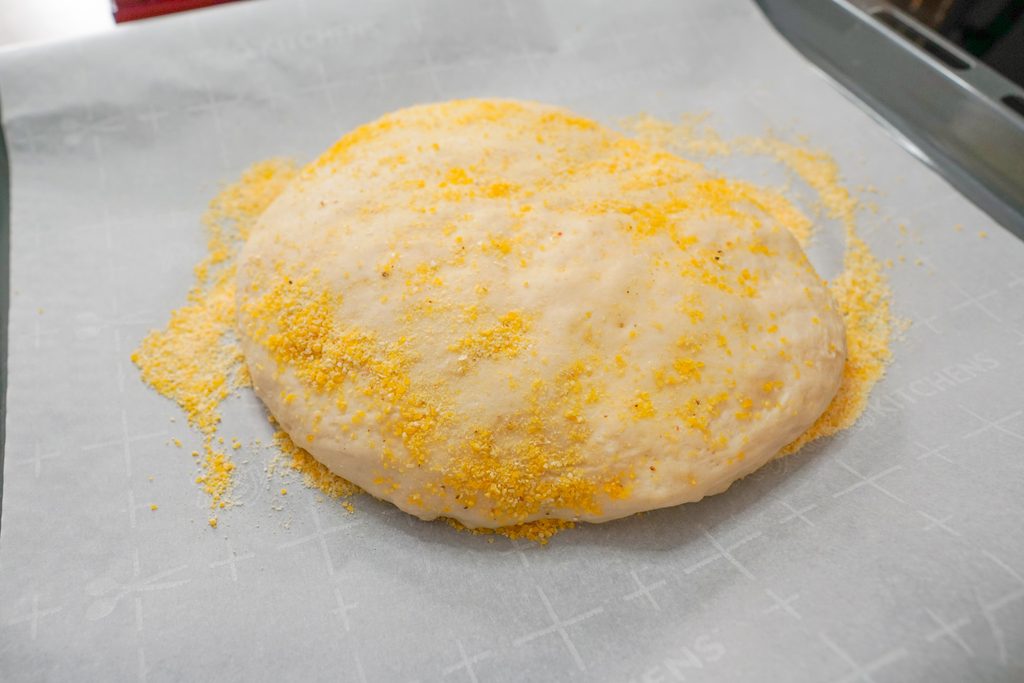
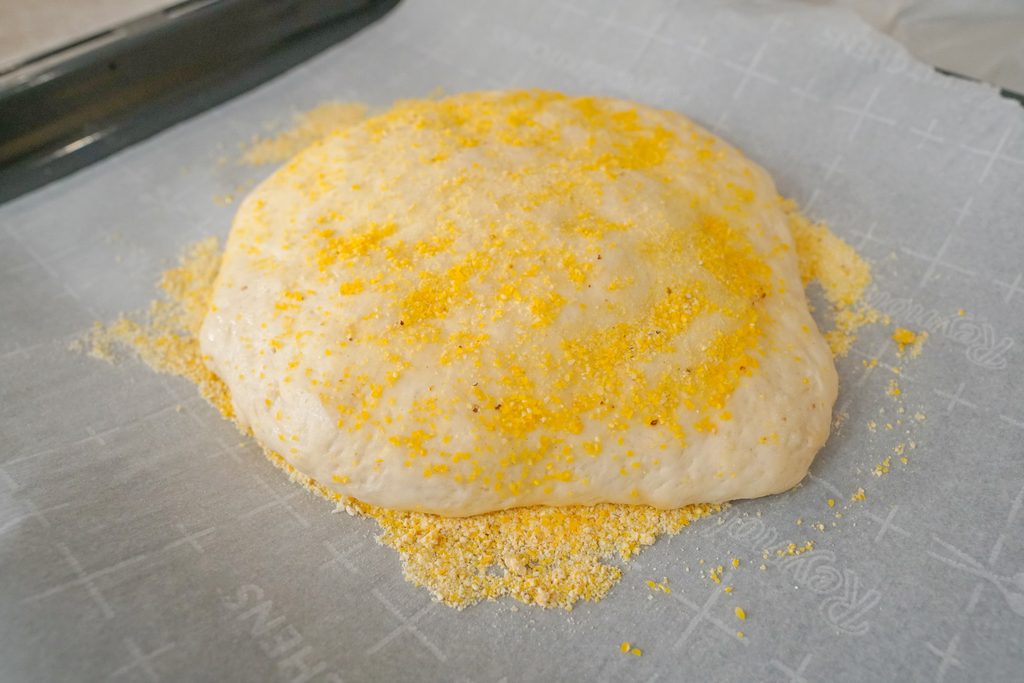
Prepare your baking pans with a generous dusting of cornmeal or semolina. Since I didn’t have semolina on hand, I used cornmeal, which worked beautifully.
Lightly oil your hands to make the dough easier to handle. Take one portion of dough and place it on your prepared pan. Gently press it into a round, flat shape, aiming for approximately a quarter-inch thickness.
The oil on your hands helps you press the dough evenly and contributes to a lovely crust as it bakes.
Repeat with the second portion of dough.
Prepare for the final rise
Dust the tops of your shaped loaves generously with additional cornmeal or semolina. This adds texture and helps prevent the dough from sticking to the covering.
Cover the loaves loosely with plastic wrap or a clean kitchen towel, and let them rise again.
Leave them in a warm, draft-free spot for about an hour or a little longer, depending on your kitchen temperature.
The dough should look slightly puffed and relaxed before baking.
Bake until golden and crusty
Preheat your oven to the temperature specified in the recipe, then bake the loaves until golden brown and cooked through.
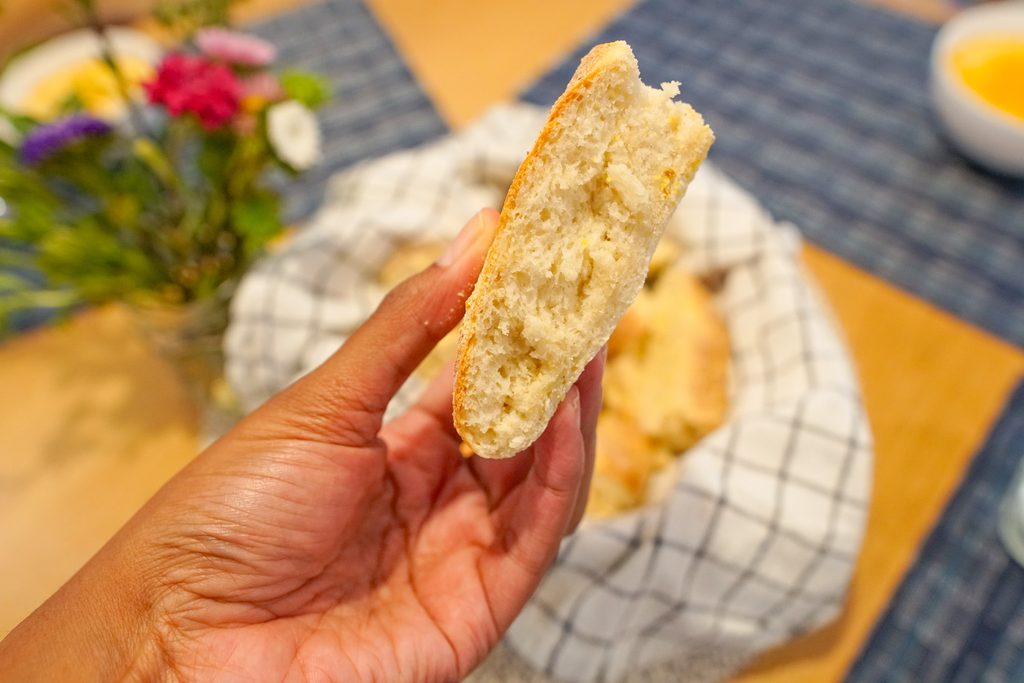
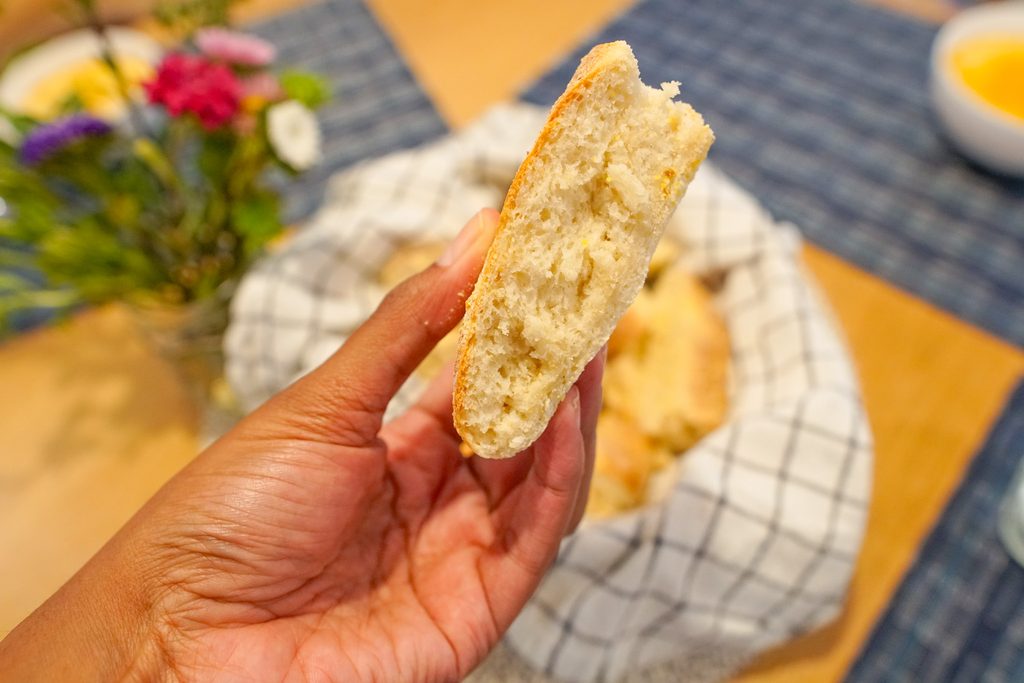
The finished bread should have a lightly crisp exterior and a soft, tender interior.
Once baked, transfer the loaves to a wire rack to cool. This lets air circulate around the bread and helps prevent the bottom from getting soggy.
I know it’s tempting to cut into freshly baked bread right away (trust me, I’m not very patient when it comes to food), but letting it cool for a few minutes makes it easier to slice.
Serve and enjoy
Once your bread has cooled slightly, slice it up and serve it alongside your favorite meal.
For us, it was the perfect accompaniment to a warm bowl of soup on a rainy day in Germany. The lightly crunchy cornmeal exterior added just the right texture, and the bread was perfect for soaking up all that delicious broth.
My little one even enjoyed his with a little honey, which was a lovely reminder that homemade bread can be enjoyed in so many different ways.
What to Serve with Moroccan Khobz
One of my favorite things about homemade bread is how versatile it can be. Moroccan khobz is especially delicious alongside dishes with plenty of sauce or broth.
Here are a few ideas for serving it:
- Moroccan tagine: Serve it alongside chicken, lamb, or vegetable tagines to scoop up all those delicious spices and sauces.
- Soup and stews: Pair it with a hearty vegetable soup, lentil soup, or your favorite homemade stew.
- Breakfast: Enjoy slices with butter, honey, jam, or olive oil for a simple and satisfying breakfast.
- Dips and spreads: Serve it with hummus, zaalouk, or other dips and spreads for a casual lunch or appetizer.
Tips for Making Homemade Moroccan Bread
Bloom your yeast if you’re unsure about its freshness. If you haven’t used your yeast in a while, bloom it in warm water before mixing the dough to see whether it’s still active.
Adjust the water as needed. Flour can absorb moisture differently depending on the type and brand. Start with the recommended amount and add more gradually if the dough feels too dry.
Don’t skip the resting time. Give the dough enough time to rise to develop its texture. A cooler kitchen may require a longer rise.
Use semolina if you have it. Semolina is a lovely traditional option for dusting the dough, but cornmeal works well as a substitute and provides a slightly different texture.
Make it your own. Homemade bread is a great opportunity to learn through practice. Don’t worry if your first loaves aren’t perfectly round or evenly shaped. The most important thing is enjoying the process.
Storing and Reheating
Homemade khobz is best enjoyed fresh, especially while the crust still has a little crunch.
- Room temperature: Store cooled bread in an airtight bag or bread container and enjoy within a couple of days.
- Freezing: Wrap the cooled loaves securely and freeze for longer storage. Thaw at room temperature before reheating.
- Reheating: Warm the bread briefly in the oven to help refresh the crust and soften the interior.
A Little Taste of Morocco, Wherever You Are
Making this bread was such a lovely way to reconnect with a part of my life that continues to influence how I cook and experience food.
Living abroad has introduced me to so many different cuisines, traditions, and ways of gathering around the table. And while our home in Germany looks very different from the one we had in Morocco, I love that I can bring some of those memories into our everyday meals.
This Moroccan khobz was a labor of love, but it was absolutely worth the time it took to prepare. There’s something incredibly satisfying about making bread from scratch, sharing it with your family, and enjoying it alongside a comforting meal.
If you’ve never made homemade bread before, I hope this recipe encourages you to try it. You don’t need a complicated process or an elaborate list of ingredients to make something truly delicious.
And if you’ve lived in Morocco or have a favorite way of enjoying khobz, I’d love to hear about it in the comments. Food has a wonderful way of connecting us to places and people, and I’m always excited to learn more.
Moroccan Khobz
Ingredients
- 2 cups bread flour
- 2 cups all-purpose flour
- 2 teaspoons salt
- 1½ cups warm water
- 2 teaspoons granulatd sugar
- 1 tablespoon yeast
- 2 tablespoons olive oil
- Cornmeal or semolina for dusting
Instructions
- In a large mixing bowl, combine the bread flour, all-purpose flour, and salt.
- In a separate bowl, combine the warm water, sugar, and yeast. Stir and let sit until the yeast activates and becomes foamy.
- Make a well in the center of the dry ingredients. Add the yeast mixture and oil, stirring until a shaggy dough forms.
- Knead the dough by hand until smooth and elastic, adding small amounts of water or flour as needed to achieve a workable consistency.
- Cover the dough and let it rise in a warm, draft-free place for approximately 1 hour, or until noticeably risen.
- Divide the dough into two equal portions. Dust two baking pans with cornmeal or semolina.
- With lightly oiled hands, shape each portion into a round, flat loaf approximately ¼ inch thick.
- Generously dust the tops with additional cornmeal or semolina. Cover loosely and allow the dough to rise again for approximately 1 hour.
- Bake in a preheated oven at 350 degrees Fahrenheit for 15 minutes, or until golden brown and cooked through.
- Transfer to a wire rack to cool slightly before slicing and serving.